
Why Is Uganda Called the Pearl of Africa? Top Facts
Why Is Uganda Called the Pearl of Africa: Uganda, often hailed as the Pearl of Africa, earned this poetic nickname from none other than Sir Winston Churchill during his 1907 visit.
In his book My African Journey (1908), Churchill marveled at the country’s stunning landscapes, abundant wildlife, and vibrant cultures.
From the shimmering waters of Lake Victoria to the snow-capped Rwenzori Mountains and the dense forests teeming with mountain gorillas, Uganda’s natural beauty captivated him.
Today, this title still resonates, drawing travelers for unforgettable safaris and adventures. Whether you’re curious about the Pearl of Africa meaning or planning a trip, this guide explores the Uganda Pearl of Africa history, its breathtaking Uganda natural beauty, and why it’s a top destination for Uganda tourism.
Who Called Uganda the Pearl of Africa?
The phrase “who called Uganda the Pearl of Africa” leads straight to one of history’s most influential figures: Sir Winston Churchill.
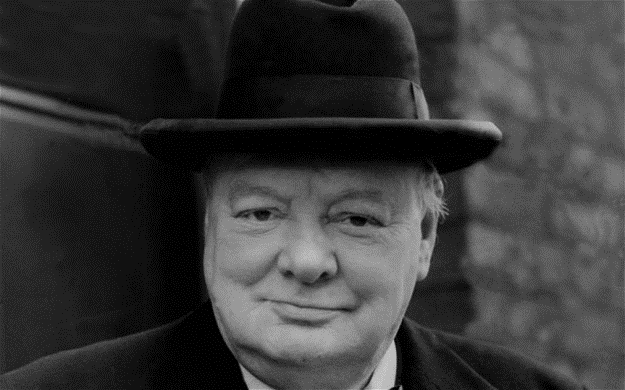
As a young British politician and journalist, Churchill embarked on a journey through East Africa in 1907, traversing Uganda by rail, boat, and on foot. He was struck by the country’s unparalleled diversity and fertility.
In My African Journey, published in 1908, Churchill wrote: “Uganda is from end to end one beautiful garden.” He likened it to a pearl for its luster amid Africa’s vastness, emphasizing its richness in resources, scenery, and potential.
This wasn’t mere flattery; Churchill’s visit came during British colonial expansion, and his words helped promote Uganda as a jewel in the empire. The nickname stuck, evolving from a colonial descriptor to a symbol of national pride.
Understanding this Uganda Pearl of Africa history provides context for why the name endures. It reflects not just beauty but resilience—Uganda has overcome colonial rule, political turmoil, and emerged as a beacon for eco-tourism.
Natural Beauty That Earned Uganda the Name
Uganda’s landscapes are a mosaic of wonders, justifying its pearl-like status. Its equatorial position blesses it with lush greenery year-round, making it a haven for nature lovers and photographers.
Lakes and Rivers
At the heart of Uganda’s allure is its aquatic bounty. Lake Victoria, the world’s second-largest freshwater lake, forms Uganda’s southern border and is a vital economic lifeline.
Shared with Kenya and Tanzania, it’s a hub for fishing, boating, and birdwatching. The lake’s islands, like the Ssese Islands, offer serene beaches and tropical vibes.
Equally iconic is the Nile River, whose source at Jinja has drawn explorers for centuries. Here, the Victoria Nile bursts from Lake Victoria, creating thrilling white-water rafting opportunities.
Scattered across the west are crater lakes—volcanic remnants like Lake Bunyonyi, dubbed “the Switzerland of Africa” for its terraced hills and misty mornings. These waterscapes embody Uganda natural beauty, perfect for relaxation or adventure.
Mountains and Landscapes
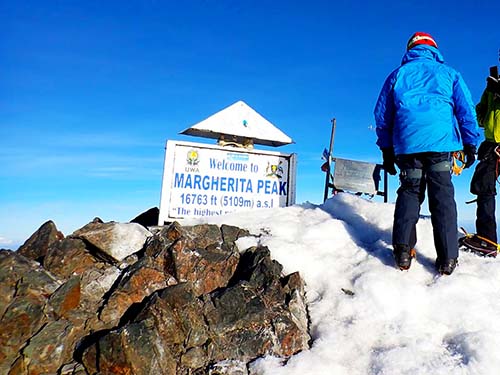
Rising dramatically are the Rwenzori Mountains, known as the “Mountains of the Moon.” These UNESCO-listed peaks reach over 5,000 meters, with Margherita Peak as Africa’s third-highest. Glaciers, alpine meadows, and unique flora like giant lobelias make hiking here otherworldly.
In the southwest, volcanic landscapes dominate Virunga National Park, home to dormant volcanoes and fertile soils. The rolling savannahs of the east and north, like those in Kidepo Valley National Park, contrast with dense rainforests, showcasing Uganda’s varied topography. This diversity is why Churchill called it a “fairy-tale” land.
Wildlife Diversity in Uganda
No discussion of why is Uganda called the Pearl of Africa is complete without its wildlife. Uganda boasts some of Africa’s richest Uganda wildlife encounters, making it a safari paradise.
From the iconic Big Five animals—lions, elephants, buffaloes, leopards, and rhinos—in Queen Elizabeth and Murchison Falls National Parks, to rare species like tree-climbing lions in Ishasha. But Uganda’s stars are its primates: over 5,000 mountain gorillas (half the world’s population) in Bwindi Impenetrable Forest, and chimpanzees in Kibale National Park. Tracking these gentle giants is a life-changing experience.
Bird enthusiasts flock here too, with over 1,000 species, including the shoebill stork and African green broadbill. Uganda safari animals range from hippos wallowing in rivers to giraffes grazing acacias, all in protected habitats that highlight conservation efforts.
For an immersive experience, consider booking a Uganda safari through us at Gorilla trackers, one of the best Uganda tour operator prioritizing sustainable tourism.
Uganda’s Rich Biodiversity
Uganda ranks among Africa’s most biodiverse nations, with ecosystems spanning forests, wetlands, savannahs, and alpine zones. Covering just 0.02% of Earth’s land, it hosts 18% of Africa’s bird species and 7% of its mammals.
Key conservation areas include 10 national parks and numerous reserves. Bwindi and Mgahinga protect gorillas, while Semuliki’s hot springs and unique flora add intrigue. Wetlands like those around Lake Mburo support otters and crocodiles, vital for water purification and flood control.
This biodiversity fuels Uganda tourism, with eco-lodges and community projects benefiting locals. By visiting, you support preservation—imagine trekking through ancient forests, spotting rare butterflies, or cruising papyrus swamps.
Cultural Diversity and Friendly People
Beyond nature, Uganda’s people add warmth to its pearl status. With over 50 ethnic groups, from the Baganda in the south to the Karamojong in the north, traditions thrive in music, dance, and crafts.
Festivals like the Imbalu circumcision rites among the Bagisu or the vibrant Kiganda dances showcase heritage. Ugandans’ hospitality is legendary—expect smiles, storytelling, and home-cooked meals like matooke (steamed bananas).
This cultural tapestry enriches travel: stay in homestays, learn basket-weaving, or attend markets. It’s this human element that makes Uganda feel like a welcoming gem.
Climate and Year-Round Greenery
Uganda’s equatorial climate ensures perpetual lushness, with temperatures averaging 20-28°C (68-82°F). Two rainy seasons ranging from March-May and September-November, keep landscapes vibrant, while dry periods, June-August and December-February) are ideal for safaris.
This consistency, rare in Africa, means year-round greenery, from misty highlands to fertile lowlands. It’s why agriculture thrives and wildlife flourishes, reinforcing the Pearl of Africa meaning.
Uganda Today – Is It Still the Pearl of Africa?
Absolutely. Modern Uganda blends heritage with progress. Tourism has boomed, with improved roads, airports, and lodges. Eco-tourism initiatives, like gorilla habituation, emphasize sustainability.
Challenges like deforestation exist, but organizations like the Uganda Wildlife Authority lead conservation. Infrastructure upgrades, including Entebbe International Airport expansions, make access easier.
Today, Uganda’s pearl shines brighter, inviting global visitors to its unspoiled wonders.

Why Tourists Still Call Uganda the Pearl of Africa
Travelers rave about Uganda tourism for its authenticity. Gorilla trekking in Bwindi offers intimate primate encounters—book your gorilla permit here for a seamless adventure.
Wildlife safaris in Murchison Falls include boat cruises to thundering waterfalls. Adventure seekers love Nile rafting, Rwenzori hikes, or chimpanzee tracking.
With affordable options and English-speaking guides, Uganda delivers value. It’s less crowded than Kenya or Tanzania, providing exclusive experiences.
Ready to explore? Secure your Uganda safari booking today and discover why this pearl captivates.
Uganda vs Other African Safari Destinations
To showcase Uganda’s edge, compare it to peers:
- Uganda vs Kenya: Kenya’s Maasai Mara offers massive migrations, but Uganda’s gorilla trekking is unique. Uganda is more affordable, with fewer crowds.
- Uganda vs Tanzania: Serengeti excels in vast plains, yet Uganda’s diverse ecosystems (mountains to lakes) provide variety in one trip. Plus, chimpanzee encounters are rarer in Tanzania.
- Uganda vs South Africa: Kruger has luxury lodges, but Uganda’s primate focus and cultural immersion feel more intimate. Uganda’s biodiversity per square mile is higher.
This positions Uganda as a versatile, budget-friendly alternative, boosting its Uganda safari animals appeal.
FAQs about Uganda
Who named Uganda the Pearl of Africa?
Sir Winston Churchill coined the term during his 1907 visit, as detailed in My African Journey.
Is Uganda still called the Pearl of Africa today?
Yes, it’s embraced in tourism branding, reflecting ongoing natural and cultural richness.
What makes Uganda unique in Africa?
Its primate populations, source of the Nile, and biodiversity hotspots set it apart.
Why is Uganda good for safaris?
Diverse wildlife, national parks, and activities like gorilla trekking make it ideal. Book a safari now!
Best time to visit Uganda for wildlife?
Dry seasons (June-August, December-February) offer clear views and easier tracking.
How to plan a trip to Uganda?
Start with visas, vaccinations, then reserve your adventure tours.
In conclusion, why is Uganda called the Pearl of Africa? It’s a testament to its timeless allure—history, nature, and hospitality intertwined. Whether for education or exploration, Uganda inspires. For personalized itineraries, contact us today and turn curiosity into adventure.