
Kibale Forest National Park: Everything You Need to Know About Uganda’s Primate Capital of the World
Kibale Forest National Park: There is a forest in western Uganda where the trees are so tall they close the sky, where the air is permanently cool and green-filtered, and where the sound of chimpanzees calling across the canopy is so frequent it begins to feel like the forest’s own language. Kibale Forest National Park is that forest — and it is the most important chimpanzee sanctuary on earth, the most primate-rich park in Africa, and one of Uganda’s greatest natural treasures.
Kibale Forest National Park is a Uganda Safari Park commonly referred to as the Primates Capital of the World, Kibale Forest national park is the best destination for chimpanzee tracking safaris and other primates tour in Uganda.
If you are planning a Uganda safari and wondering whether Kibale forest national park deserves a place on your itinerary, the answer is not simply yes — it is that no Uganda safari is complete without it.
This guide covers everything: what Kibale National Park is known for, its precise location, the districts it spans, its full wildlife list including the question of whether leopards are present, every activity available, the current 2026 entrance fees and permit costs, accommodation options, the best time to visit, and how to get there. Every detail you need to plan a Kibale safari is here.

What Is Kibale National Park Known For?
Kibale National Park is known for one thing above all others: chimpanzees. With over 1,500 individual chimpanzees living within the park, the highest concentration of chimpanzees in Uganda and one of the highest in Africa, Kibale has earned its globally recognised title as the Primate Capital of the World.
No other park on the continent combines such a large chimpanzee population with such consistent habituation and such reliable tracking success. Since the chimpanzee trekking programme began at the Kanyanchu Visitor Centre in 1994, successful encounter rates have been exceptionally high, meaning that visitors who book a Kibale chimpanzee tracking permit have an outstanding probability of spending time face-to-face with wild chimpanzees in their natural forest habitat.
But chimpanzees are only the headline. Kibale Forest National Park is also known for hosting 13 distinct primate species in total making it the most primate-rich national park in Africa — alongside extraordinary birdlife, a dense and botanically complex tropical rainforest, and a network of activities including the celebrated Bigodi Wetland Sanctuary walk that extends the park’s appeal well beyond its primate programme.
Kibale National Park Location: Where Is It in Uganda?
Kibale National Park is located in the western region of Uganda, approximately 308 kilometres west of Kampala and 25 kilometres southeast of Fort Portal City — a scenic, fast-growing town that serves as the primary gateway to the park and several other western Uganda safari destinations including the Rwenzori Mountains and Queen Elizabeth National Park.
The park sits between 1,100 and 1,600 metres above sea level, spanning a landscape of medium-altitude wet evergreen forest in the north and lower-altitude moist semi-deciduous forest in the south, with grassland, wetland, and swamp zones providing ecological transition habitats that support species diversity across the full park area.
What Districts Are Covered by Kibale National Park?
Kibale National Park covers the districts of Kabarole, Kamwenge, Kyenjojo, and Kasese in western Uganda. The park covers a total area of approximately 795 square kilometres across these four districts, forming the core of the larger Kibale Conservation Area — a network of connected protected landscapes that includes Semliki National Park, Toro-Semliki Wildlife Reserve, and Katonga Wildlife Reserve.
Together, these areas create an ecologically contiguous corridor of enormous conservation significance in western Uganda.
Critically, Kibale Forest National Park adjoins Queen Elizabeth National Park to the south to form a 180-kilometre wildlife corridor that allows large mammals such as elephants, buffalos, and forest predators to move between the two parks freely.
This corridor is one of the most important wildlife connectivity features in East Africa, and it directly influences the species composition of Kibale by enabling the movement of animals that would not otherwise be present in a purely forest ecosystem.
Are There Leopards in Kibale National Park?
Yes, there are leopards in Kibalw National Park though encounters are uncommon. Leopards, serval, African golden cats, mongooses, otters, and the odd visiting lion are among the predators in Kibale Forest National Park.
The thickness of the forest canopy and the dense understorey make visual observation of these elusive cats genuinely difficult, and most visitors complete their Kibale experience without a leopard sighting.
What makes the leopard presence in Kibale particularly interesting is its connection to the wildlife corridor. Kibale Forest National Park serves visitors with four species of wild felids including leopards and lions, which migrate between Kibale Forest and Queen Elizabeth National Park.
The Ngogo area within the larger Kibale ecosystem is notably significant for leopard research — Ngogo, part of the larger Kibale NP, is home to over 33 leopards, 30 of which are males, according to the National Institute of Health.
For dedicated wildlife photographers hoping to spot a leopard in Kibale, night forest walks offer the best possibility, as these cats are primarily crepuscular and nocturnal in forest habitats.
Wildlife in Kibale National Park: The Complete Animal List
Kibale National Park animals span an extraordinary range of species for a forest ecosystem. The park supports approximately 70 mammal species, with the primate community being the most celebrated component of its wildlife.
The 13 primate species in Kibale include chimpanzees (over 1,500 individuals), grey-cheeked mangabeys, Uganda red colobus — a globally threatened species — black and white colobus monkeys, red-tailed monkeys, blue monkeys, L’Hoest’s monkeys, olive baboons, vervet monkeys, the Uganda mangabey, and the nocturnal species: pottos and bush babies, observable on guided night forest walks.
Beyond primates, Kibale forest elephant herds which are over 500 individuals move through the park seasonally, along with African buffalos, giant forest hogs, bush pigs, warthogs, sitatungas, bushbucks, Peter’s duikers, Harvey’s duikers, and African civets.
The predator community, in addition to leopards and occasional lion incursions from Queen Elizabeth via the corridor, includes African golden cats, serval cats, side-striped jackals, mongoose species, and two otter species in the park’s waterways.
For reptile and amphibian enthusiasts, Kibale’s ecosystem supports over 14 snake species, 27 frog species, and more than 20 reptile species many of which inhabit the swamp and wetland margins where the forest meets open water.
Over 200 butterfly species have been recorded, with many remaining understudied in the park’s less-explored zones.
Bird Watching in Kibale Forest National Park: 350+ Species for Serious Birders
With over 350 documented bird species, Kibale Forest National Park is one of Uganda’s most rewarding birding safari destinations and is particularly valuable for Albertine Rift endemics — species whose global range is confined to the forest highlands of the western rift valley that Uganda shares with the DRC, Rwanda, and Burundi.
The most sought-after species on any Kibale birding safari is the African green-breasted pitta — a luminous, ground-dwelling bird of spectacular plumage that is one of Africa’s most prized ornithological sightings.
Other major targets include the papyrus gonolek, African grey parrot, crowned eagle, blue-headed sunbird, purple-breasted sunbird, black bee-eater, great blue turaco (particularly in the Bigodi Wetland area), brown-chested alethe, yellow-spotted nicator, Abyssinian ground thrush, black-capped apalis, red-faced woodland warbler, and white-winged warbler.
The Bigodi Wetland Sanctuary, immediately adjacent to the park boundary, adds over 200 additional bird species to what can be observed in a single Kibale visit — including the elusive papyrus canary and a variety of wetland specialists that the forest itself does not support.
For serious listers pursuing the Albertine Rift endemic checklist, combining a Kibale forest birding session with the Bigodi wetland walk in a single day is one of the most productive birding itineraries in East Africa.
Kibale National Park Activities: What to Do During Your Visit
Chimpanzee Tracking
Chimpanzee tracking in Kibale is the park’s signature activity and the primary reason that the majority of visitors make the journey to western Uganda. Treks begin at the Kanyanchu Visitor Centre, where groups are briefed on the code of conduct — maintaining a seven-metre minimum distance from the chimpanzees, keeping voices low, refraining from eating or smoking in the chimps’ presence — before being assigned a ranger guide and entering the forest.

Groups are limited to a maximum of six people per habituated community to protect the chimpanzees from stress and disease. The trek through the forest can last from one to four hours depending on where the chimpanzees have moved overnight, followed by one uninterrupted hour of close-proximity observation once the community is located.
The encounter typically involves watching the chimps feed, travel, groom, play, and interact with the composed familiarity of beings who have concluded that these quiet visitors represent no threat. It is one of the most compelling wildlife encounters available anywhere in the world.
Chimpanzee Habituation Experience
The Chimpanzee Habituation Experience in Kibale is the extended, full-day version of the standard trek. Participants join researchers and trackers at dawn and spend the entire day following a semi-habituated chimpanzee community as part of the process of acclimatising the chimps to human presence — a process that takes approximately two years before a group is ready for standard tourism.
The habituation experience is the most immersive primate encounter Uganda offers, delivering four to six hours in the forest with the chimpanzees rather than one hour, and it is the preferred choice for researchers, documentary filmmakers, and wildlife enthusiasts who want more than a brief encounter.

Bigodi Wetland Sanctuary Walk
The Bigodi Wetland Sanctuary walk is a community-managed ecotourism initiative immediately outside the park’s southern boundary near the Kanyanchu area, and it is a near-mandatory addition to any Kibale Forest National Park visit.
The guided trail through papyrus swamp, riparian forest, and open wetland habitat delivers sightings of sitatunga antelopes — an aquatic antelope rarely seen elsewhere in Uganda — alongside red-tailed monkeys, black and white colobus, grey-cheeked mangabeys, and an outstanding concentration of bird species including the great blue turaco and multiple Albertine Rift endemics.
The walk is managed by the local community, and every admission fee contributes directly to community development, conservation, and the economic wellbeing of families surrounding the park boundary. For visitors interested in authentic community-based ecotourism in Uganda, Bigodi is one of the finest examples on the continent.
Nature Walks and Night Forest Walks
Guided nature walks in Kibale Forest follow established trails through the park’s diverse habitats, with rangers identifying tree species, medicinal plants, insect life, reptiles, and forest birds while keeping watch for any primate or mammal encounters along the route. Kibale’s forest is extraordinarily rich botanically — over 350 tree species have been recorded — and a guided walk is the best way to appreciate this botanical complexity.
Night forest walks in Kibale are particularly rewarding for the nocturnal species that daytime activities miss entirely: pottos, bush babies, African civets, genets, and a range of nocturnal bird and reptile species that the darkness reveals to patients observers with good headtorches and patient guides.
Kibale National Park Entrance Fees and Tickets: 2026 Rates
Kibale National Park entrance fees are set by the Uganda Wildlife Authority and are charged per person per day, with the 24-hour validity beginning at the time of entry. The 2026 park entry fees are as follows:
Park Entry — Kibale National Park: Foreign non-residents: USD 40 per adult per day. Foreign residents: USD 30 per adult per day. East African Community citizens: UGX 20,000 per adult per day.
Nature walks are charged additionally: USD 40 for foreign non-resident adults, USD 30 for foreign residents, and UGX 30,000 for East African adults. Children pay USD 5 (foreign non-residents and residents) or UGX 10,000 (East African citizens).
Kibale National Park chimpanzee tracking permit fees for 2026 are the most important cost for most visitors: Foreign non-residents pay USD 250 per person per permit. Foreign residents pay USD 200 per person per permit. East African Citizens pay UGX 180,000 per person per permit.
The chimpanzee tracking permit includes park entry fees for the day of trekking, the services of the professional ranger guide, and the regulated forest access. It does not include accommodation, transport, or meals.
Chimpanzee Habituation Experience permit fees for 2026: Foreign non-residents pay USD 300 per person per permit. Foreign residents pay USD 250 per person per permit. East African Community citizens pay UGX 250,000 per person per permit.
Kibale National Park tickets can be paid at the park gate using Visa or Mastercard credit cards. Payment can also be made in advance through MTN or Airtel mobile money agents. A 20 percent group discount applies to groups of 20 or more people visiting on the same day. Children aged 0 to 5 years enter free of charge.
Chimpanzee tracking permits should be booked a minimum of three to six months in advance for peak season travel between June and August and December and February, as permits sell out consistently during these months.
Kibale National Park Accommodation: Where to Stay
Kibale National Park accommodation ranges from luxury forest lodges to comfortable mid-range camps and budget options, concentrated primarily around the Fort Portal area and the Kanyanchu park entrance zone.
Luxury properties near Kibale include Kyaninga Lodge — spectacularly situated above a volcanic crater lake — and Ndali Lodge, whose hilltop position above Lake Nyinambuga delivers panoramic views across the Rwenzori foothills.
Primate Lodge Kibale, situated inside the park boundary just 700 metres from the Kanyanchu trekking trailhead, is the closest and most convenient lodge for early morning chimp trekking departures.
Mid-range options include Kibale Forest Camp and Chimps Nest, both offering comfortable ensuite accommodation with forest atmosphere at accessible price points. Kibale Guest Cottages and Kibale Safari Lodge provide additional options for visitors seeking variety within the park’s accommodation ecosystem.
Best Time to Visit Kibale National Park
The best time to visit Kibale National Park for chimpanzee tracking is during the two dry seasons: June to September and December to February.
Dry season conditions mean firmer forest paths, easier tracking through the undergrowth, and the chimpanzees congregating in fruiting trees that are more predictable to locate. However, chimpanzee tracking in Kibale is successful year-round — the park’s high-density chimpanzee population means encounters are reliable in every month.
For bird watching in Kibale National Park, the wet season — March to May and October to November — is optimal. Resident species are breeding, migratory species are present, and the forest is at its most verdant and active. Serious birders deliberately schedule their Kibale visit for these months to maximise species counts and photographic opportunities.
Getting to Kibale National Park: Road and Air Options
Reaching Kibale National Park by road from Kampala takes approximately five hours via the scenic Mityana–Mubende–Fort Portal route, which passes through tea estates, crater lake country, and the dramatic foothills approaching the Rwenzori range.
An alternative route via Mbarara and Kamwenge passes through Mpigi with its famous equator crossing monument. Both routes offer compelling scenery and can be driven in a standard safari vehicle, though a 4×4 is recommended for the final approach to some lodges.
By air, scheduled and charter flights from Entebbe International Airport or Kajjansi Airstrip connect to Kasese airstrip (about 1.5 hours from the park) or Nyakisharara airstrip in Mbarara (about 3 to 4 hours from the park), followed by a road transfer through some of Uganda’s most beautiful countryside.
Why Kibale Forest National Park Belongs on Every Uganda Safari
Kibale Forest National Park is not a park you visit because it is nearby or convenient. You visit it because there is nowhere else in Africa where you can stand in a forest clearing while a wild chimpanzee watches you from five metres away with an expression of calm, intelligent appraisal — and understand, in that moment, that the 1.2 percent of DNA separating your species from his is the most humbling measurement in biology.
That is what Kibale delivers, every trekking day, in a forest that has been doing this for millions of years and intends to keep doing it for millions more.
Plan your Kibale National Park tour today. The chimpanzees are in the forest. The permits are available. The forest is ready.
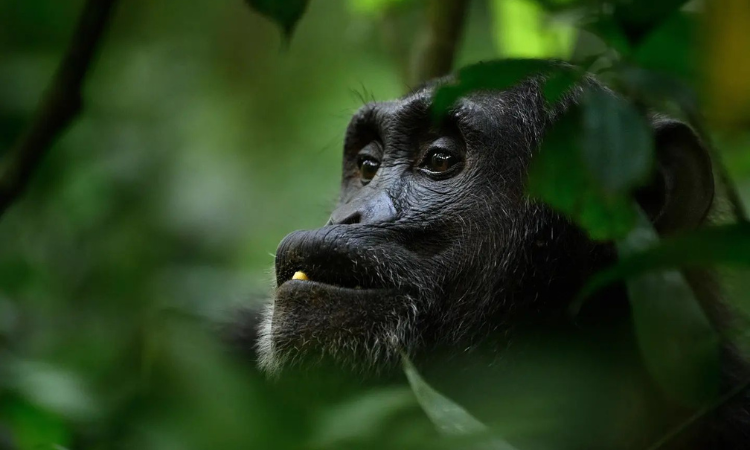
This 3 Day Kibale Primate Safari will give you an exposure to the various primates in Kibale forest national park a home to over 1450 chimpanzees cosseted within the park and around 13 different species of primates that you may encounter as you carry…

10 Days Uganda Safari is an incredible wildlife tour packed with the best things to do in Uganda from game drives and boat rides to gorilla trekking and chimpanzee, etc., this incredible 10-Day Uganda Safari promises something for everyone…

Our 5 Days Uganda Safari is a primates watching Africa holiday that involves Gorilla trekking in Bwindi and Chimpanzee trek in Kibale. The safari also takes you through Queen Elizabeth national park where you are legible of viewing tree-climbing lions…