
Welcome to the smallest savannah park in Uganda, Lake Mburo National Park, a hidden gem spanning the western districts of Mbarara, Isingiro, and Kiruhura.
With just a leisurely 4-hour drive away from Kampala, Lake Mburo stands out as the most accessible park from the capital and international airport as compared to other Uganda national parks.
This park was gazetted in 1933 as a controlled hunting area and then after, it was upgraded into a reserve in 1963 and in 1983 it was designated as a national park. Spanning a mere 270 square kilometers, Lake Mburo National Park might be small, but it’s a sanctuary bursting with life and charm.
Why Is It Called Lake Mburo National Park?
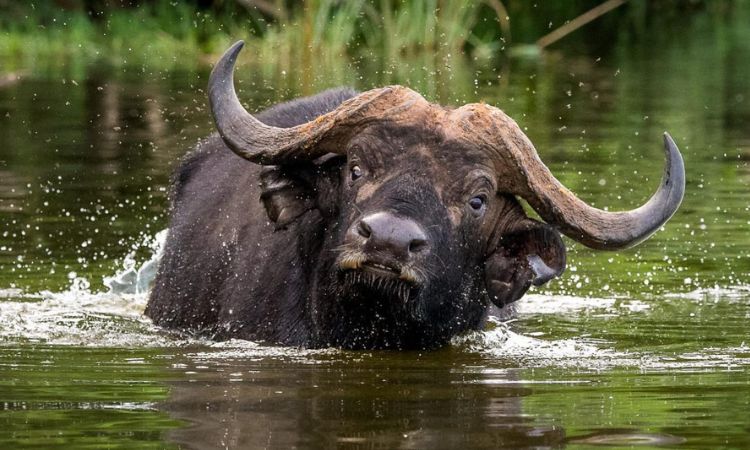
Lake Mburo National Park draws its name from the mesmerising Lake Mburo that forms the scenic centrepiece of the park’s landscape. The lake — one of 13 beautiful lakes spread across the park’s terrain — is the focal point for wildlife, boat cruises, birding, and the park’s most concentrated wildlife viewing opportunities.
The name “Mburo” is believed to derive from a legendary local herdsman named Mburo whose cattle grazed these savannas — a fitting origin for a park that retains a deep cultural and historical connection to the pastoral Ankole communities that have coexisted with its wildlife for generations.
Lake Mburo National Park History
Lake Mburo National Park has a layered history reflecting Uganda’s complex relationship between wildlife conservation and human land use.
This park was gazetted in 1933 as a controlled hunting area, upgraded into a wildlife reserve in 1963, and finally designated as a national park in 1983.
The park’s relatively recent national park status explains the presence of licensed lodges and camps within its boundaries, a management arrangement that creates an unusually intimate relationship between visitor accommodation and wild wildlife, with zebras, impalas, and warthogs commonly wandering through lodge grounds.
Best Activities in Lake Mburo National Park
1. Boat Cruise on Lake Mburo — The Unmissable Experience
Lake Mburo boat cruise is the park’s most celebrated and accessible wildlife encounter. Boat rides are conducted along Lake Mburo and provide a spectacular opportunity to see the extraordinary concentration of wildlife that gathers at and around the lake.
On a Lake Mburo boat ride, you can expect to see: enormous hippo pods at very close range, Nile crocodiles basking on the shoreline, large numbers of waterbirds in flight and feeding, impalas and buffaloes drinking at the lake’s edge, and the full diversity of Lake Mburo’s wetland bird species.
Bird species to identify on the Lake Mburo boat cruise: Malachite kingfishers, African fish eagles, blue-headed weavers, Rufous long-tailed starlings, pied kingfishers, hamerkops, herons, pelicans, the rare shoebill stork, and cormorants. The boat cruise is also one of the most productive locations for seeing the shoebill — one of Africa’s most sought-after bird species.
Boat cruise cost: USD 30 per person for foreign non-residents. Launches are available from Rwonyo jetty.
2. Game Drives in Lake Mburo National Park
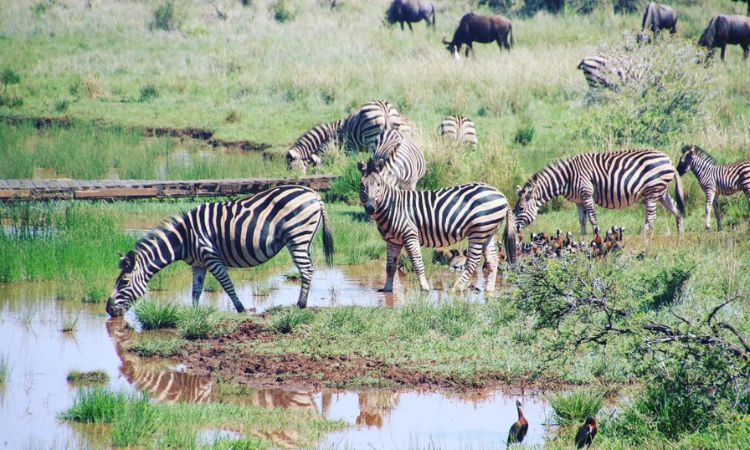
Game drives in Lake Mburo National Park are the best way to explore and experience the park’s extraordinary savanna wildlife diversity. A good 4×4 drive safari vehicle is required. Game drives reward visitors with sightings of Burchell’s zebras, Rothschild giraffes, leopards, lions, buffaloes, elands, impalas, topis, warthogs, and a remarkable diversity of bird species across the park’s open acacia savanna and woodland.
Morning game drives (6:00–10:00 AM) offer the best light for wildlife photography and coincide with peak wildlife activity. Afternoon game drives (4:00–7:00 PM) deliver golden light and concentrate wildlife movement as animals head to water.
Night game drives in Lake Mburo (USD 30/person) dramatically expand the species list — leopards, African civets, serval cats, spring hares, and a variety of nocturnal bird species become accessible that are largely invisible during daylight hours.

3. Bird Watching — Lake Mburo’s 330-Species Birding Paradise
Bird watching in Lake Mburo National Park attracts dedicated Uganda birding safari visitors specifically to this park. With over 330 bird species including multiple Albertine Rift specialities and rare wetland species, Lake Mburo offers unmatched birding value within easy reach of Kampala.
Best birding sites in Lake Mburo:
Swampy valleys of Miriti and Warukiri — the park’s most productive wetland birding locations, supporting papyrus yellow warblers, African fin foots, rufous-bellied herons, and an extraordinary array of wading and water birds.
Rwonyo to Jetty roadside — the drive between Rwonyo Rest Camp and the boat launch jetty is one of Uganda’s most productive birding routes, passing through habitat transitions that concentrate species diversity.
Rubanga Forest — a nature walk in this forest patch specifically targets the red-faced Barbet, one of Uganda’s most sought-after endemics, alongside forest species absent from the surrounding savanna.
Notable species: Coqui Francolin, emerald-spotted wood dove, Rufous-bellied Heron, Bateleur, brown-chested lapwing, grey crowned crane, bare-faced go-away-bird, and red-faced Barbet.
4. Horseback Riding in Lake Mburo — Uganda’s Most Unique Safari Experience
Horseback riding in Lake Mburo National Park is one of Uganda’s most distinctive and memorable safari experiences — and one found almost nowhere else in East Africa’s national parks. Exploring Lake Mburo on horseback allows visitors to move silently through the landscape at a pace and proximity to wildlife that vehicles cannot match.
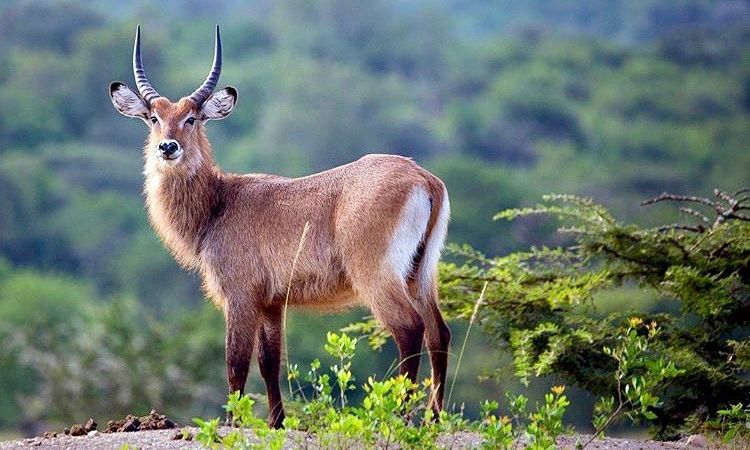
Wildlife encountered on Lake Mburo horseback safari include elands, buffaloes, warthogs, impalas, topis, duikers, bushbucks, waterbucks, and Burchell’s zebras — the zebras in particular seem undisturbed by approaching horses in a way they are not by vehicles. Horseback rides are available in various durations from 2-hour short rides to full-day experiences.
5. Nature Walks in Lake Mburo National Park
Nature walks in Lake Mburo are conducted primarily at Rwonyo, taking visitors approximately 2 hours through the park on foot. This immersive walking experience offers a chance to explore different habitats — savanna grassland, papyrus swamp edges, acacia woodland — at close range with a knowledgeable UWA ranger guide.
Nature walks cost USD 15 per person for foreign non-residents and are particularly rewarding for birders who want to bird carefully through specific habitat zones rather than from a moving vehicle.
6. Sport Fishing in Lake Mburo
Sport fishing at Lake Mburo National Park is a relaxing and rewarding water activity for avid anglers. The lake contains 6 fish species including Tilapia, lungfish, mudfish, and Haplochromines. Visitors can spend quiet hours fishing from the lake shore with the park’s extraordinary birdlife and wildlife as backdrop. Shade is provided at the campsite ensuring maximum relaxation while fishing.
The park also features an observation point located in a wooden hide-out that offers excellent views of 4 different wildlife species as they lick the saline soil — a rare, intimate wildlife encounter unique to this park.
7. Cycling in Lake Mburo National Park
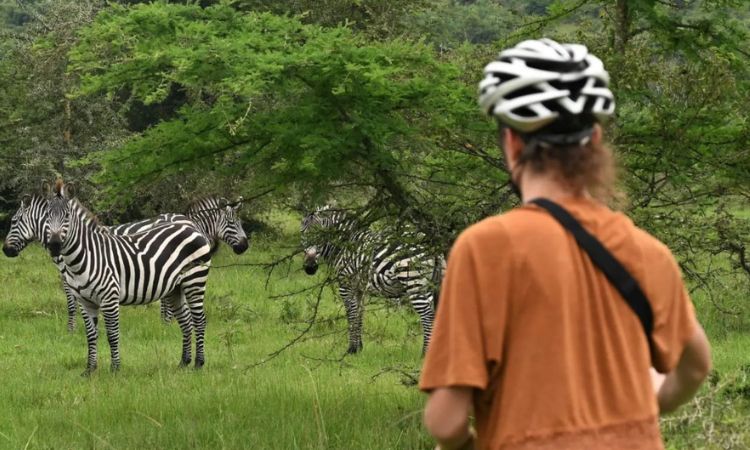
Bicycle riding in Lake Mburo is an increasingly popular way to explore the park — cycling through acacia woodland and savanna tracks on hired bikes with a ranger guide. The park’s relatively flat terrain, moderate wildlife density, and compact size make it ideal for this low-impact exploration method.
1 Day Lake Mburo Safari will guide you through Lake Mburo national park Uganda for a game drive as you will spot various animals found in the park. Our 1 Day Lake Mburo Safari will then further lead you out for a launch cruise on Lake Mburo as you view the various bird species along the lake.

The 14 Days Primates and Big Five Safari takes you to the western part of Uganda to visit the major tourist destinations and spotting out primates like Chimpanzees, Mountain Gorillas, black and white colobus monkeys, vervet monkeys, cheeky monkeys among others and viewing the big five like…