Can Children Do Chimpanzee Tracking? Age Requirements & Family Guide
Can Children Do Chimpanzee Tracking? Yes, children can participate in chimpanzee tracking in Uganda, but with a minimum age requirement.
According to the Uganda Wildlife Authority (UWA) official guidelines, the minimum age for chimpanzee tracking is 12 years. This is lower than the 15-year minimum for mountain gorilla trekking, making chimp tracking a more accessible primate experience for families with older children and teenagers.
Why the Age Limit Exists
The 12+ rule protects both the chimpanzees and the visitors. Chimpanzees share approximately 98.7% of their DNA with humans, making them highly susceptible to human respiratory illnesses like colds, flu, or coughs. Younger children are more prone to carrying and transmitting such infections, which could spread rapidly through a chimp community with potentially devastating effects.
Additionally, chimpanzee tracking involves:
- Hiking through dense rainforest terrain that can be steep, muddy, and physically demanding.
- Following strict rules and ranger instructions for safety and to minimize disturbance to the animals.
- Spending time in close proximity to wild, powerful primates that can be unpredictable.
Children under 12 may lack the physical stamina, attention span, or maturity to follow these protocols reliably. Some older sources or individual lodges mention 15 years, but the current UWA policy is 12 years for standard chimpanzee tracking.
Best Places for Chimpanzee Tracking with Children (Ages 12+)
- Kibale National Park (Primate Capital of the World): The top destination with over 1,500 chimpanzees. Habituation success rates are very high (often 90%+ sighting probability). Treks start from Kanyanchu Visitor Centre with morning, midday, and afternoon departures. Groups are small (usually 6 people), and the experience lasts 2–5 hours total, including the search and 1 hour with the chimps.
- Kyambura Gorge (Queen Elizabeth National Park): A dramatic riverine forest setting. Good for combining with classic savanna safaris.
- Budongo Forest and Kalinzu Forest: Quieter alternatives with excellent chimp communities.
Chimpanzee Habituation Experience (CHEX) in Kibale is more immersive (up to 4+ hours) but often has the same or stricter age rules due to its longer, more challenging nature.
What to Expect on a Family Chimp Trek
A typical day begins with a briefing at the visitor center covering rules, safety, and chimpanzee behavior. You then head into the forest with an experienced ranger and trackers. You’ll listen for vocalizations (hoots, pant-grunts, drumming on trees), follow fresh signs like nests, dung, and feeding remains, and hike until the group is located.
Once found, you spend a maximum of one hour observing the chimps. Experiences can include:
- Watching them swing through the canopy
- Seeing mothers with infants
- Observing social grooming
- Playful juveniles chasing each other
- Dominant males displaying
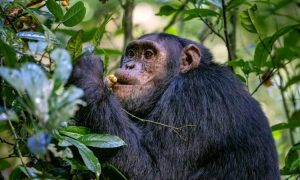
The activity is dynamic and exciting — chimpanzees are more vocal and active than gorillas. Success is high in habituated groups, but they are wild animals, so behavior varies.
Preparation Tips for Families with Kids 12+
- Fitness Level: Moderate to good fitness is needed. Trails can be slippery in the wet season. Porters are available to carry bags or assist.
- Health Requirements: All participants must be healthy with no flu-like symptoms. Bring proof of vaccinations (Yellow Fever is mandatory for Uganda). Malaria prophylaxis is essential.
- What to Pack:
- Sturdy hiking boots with good grip
- Long-sleeved shirts and trousers (tuck pants into socks)
- Rain jacket/poncho
- Binoculars, camera with zoom (no flash)
- Insect repellent, sunscreen, hat, gloves
- Plenty of water and light snacks
- Best Time: Dry seasons (June–September and December–February) offer easier trails, though chimps can be seen year-round.
Alternatives for Younger Children (Under 12)
If you have kids below the minimum age, they cannot join the tracking but can enjoy many other family-friendly activities in Uganda:
- Game drives and boat safaris in Queen Elizabeth or Murchison Falls (Big Five, hippos, birds)
- Visiting Ziwa Rhino Sanctuary for guided rhino walks
- Nature walks, birding, and community visits around Kibale
- Primate viewing from afar or at sanctuaries where permitted
Many families combine a chimp trek for the older kids with other wildlife experiences for everyone.
Chimpanzee Tracking Permits and Practicalities
Chimpanzee tracking permits in Kibale currently cost $250 USD per person (much more affordable than gorilla permits). Book in advance through reputable tour operators, especially during peak seasons. Permits are non-transferable and require valid ID (passport) at check-in.

Safety and Responsible Practices
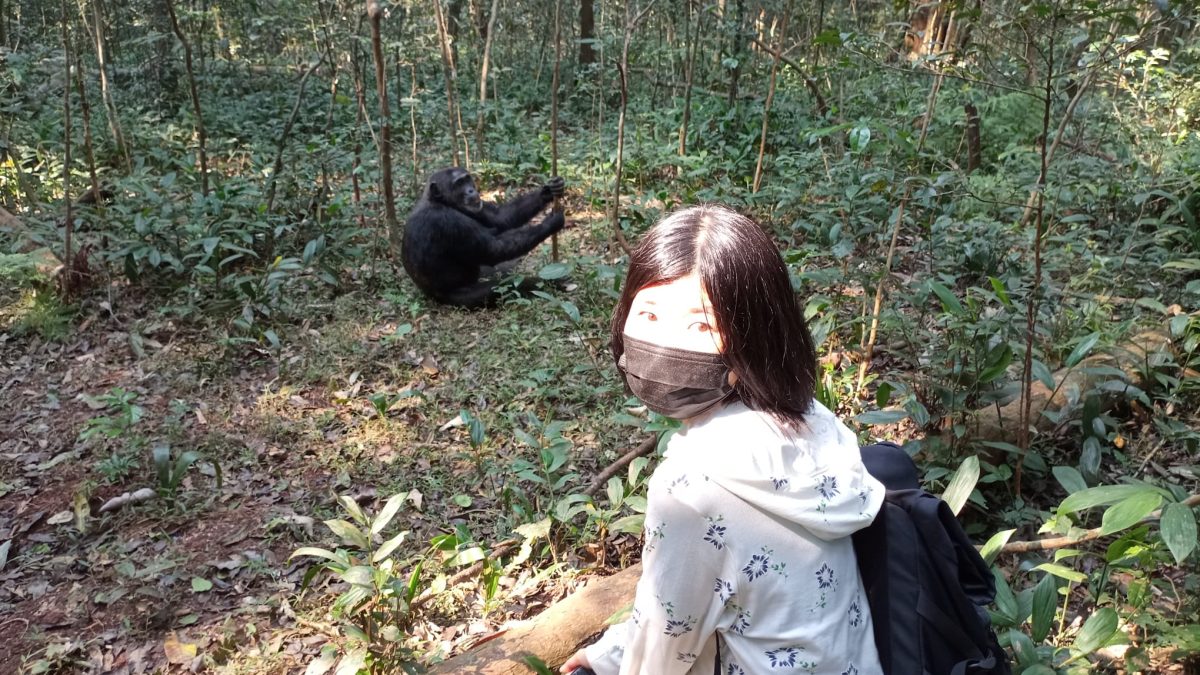
Chimpanzees are strong and can be territorial. Rangers maintain a 7–10 meter distance rule. Always follow instructions: no eating, no sudden movements, turn away if coughing, and back away slowly if chimps approach. With a good guide, the activity is very safe for children 12 and above.
Chimpanzee tracking offers an educational, thrilling adventure that teaches children about conservation, primate intelligence, and rainforest ecosystems. Many families report it as a highlight that sparks lifelong interest in wildlife.
Ready to create unforgettable family memories tracking chimpanzees in Uganda? Join us for expert-guided chimpanzee tracking experiences tailored for families.
Our experienced drivers, knowledgeable rangers, and comfortable safari setups ensure safe, enriching adventures for children 12 and older.
We handle permits, accommodations near Kibale, and full itineraries that combine chimps with other kid-friendly wildlife activities. Contact us today to plan your perfect family primate safari — where adventure and education meet in the heart of the Pearl of Africa!