
Mount Kenya: Climbing Routes, Hiking Guide, Cost & Best Time to Visit 2026
Mount Kenya: Rising dramatically above the Kenyan highlands, Mount Kenya stands as Africa’s second-highest mountain at 5,199 meters.
This ancient extinct volcano offers a captivating mix of glaciers, rugged peaks, dense forests, and unique alpine scenery that draws adventurers seeking an unforgettable Mount Kenya hiking and climbing Mount Kenya experience.
With fewer crowds than its taller neighbor, it delivers pristine trails, diverse wildlife, and a true sense of wilderness. Whether you aim for the trekking summit or simply soak in the views, Mount Kenya rewards every step with breathtaking panoramas and rich biodiversity.
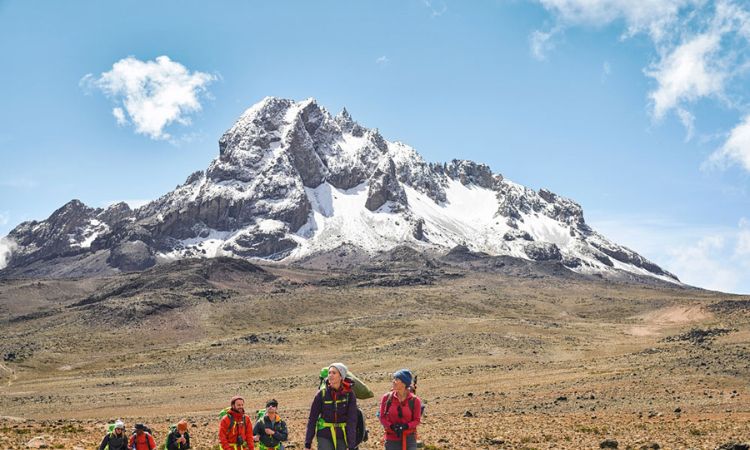
Quick Facts About Mount Kenya
- Height: 5,199 meters (Batian Peak) – Africa’s second-highest mountain.
- Location: Central Kenya, approximately 150–180 km northeast of Nairobi, straddling the equator.
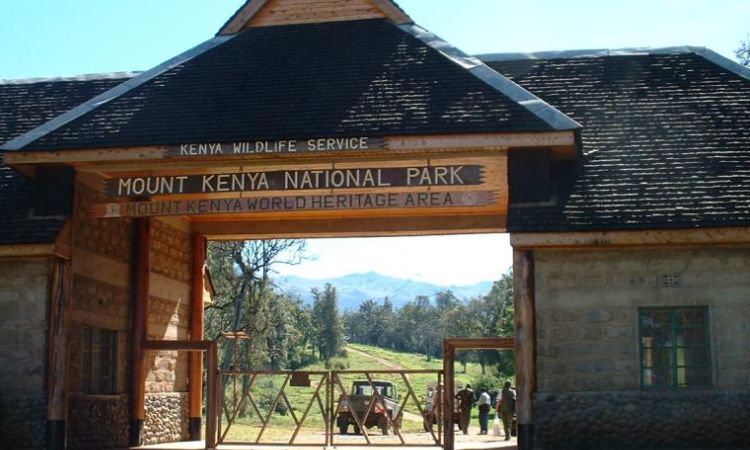
- Status: UNESCO World Heritage Site since 1997, encompassing Mount Kenya National Park and surrounding forest reserve.
- Main Peaks: Batian (5,199 m), Nelion (5,188 m), and Point Lenana (4,985 m – the most popular trekking summit).
- Mt Kenya height and mt kenya peak details highlight its volcanic origins, with remnant glaciers and dramatic U-shaped valleys shaped by ice ages.
These structured facts make Mount Kenya an ideal high-altitude adventure for those searching “where is Mount Kenya located” or planning a Mount Kenya trekking guide.
Where Is Mount Kenya Located?
Mt Kenya sits in central Kenya, about a 3–4 hour drive from Nairobi. The mountain spans several counties: primarily Kirinyaga County for the core park area, with borders touching Meru County, Embu, Tharaka Nithi, Nyeri, and others.
Which county is MT Kenya located in? It lies across multiple counties, but access points like Nanyuki (Laikipia/Nyeri side) and Chogoria (Meru/Embu side) serve as main gateways.
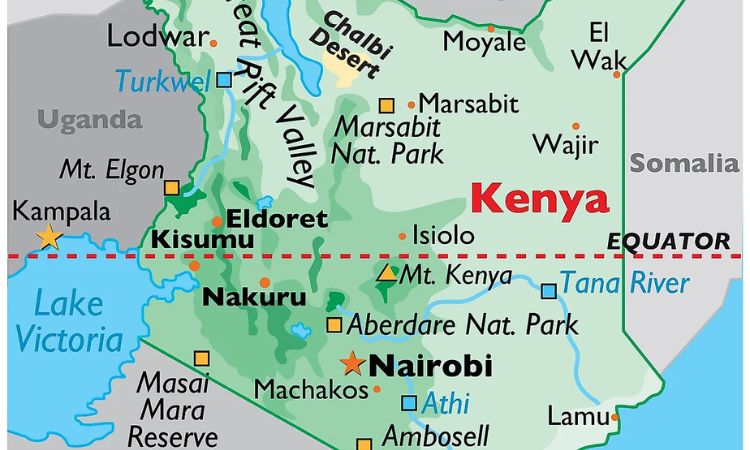
The close proximity of MT Kenya to Nairobi makes it highly accessible—no long internal flights required—perfect for combining with Kenya safari tours.
Mount Kenya Peaks
Mount Kenya peaks define its allure. The highest is Batian at 5,199 m, named after a Maasai chief. Just below lies Nelion (5,188 m). Both demand technical rock climbing skills, ropes, and experience. Most hikers target Point Lenana at 4,985 m, a non-technical trekking peak reachable by fit walkers.
The Point Lenana hike offers spectacular 360-degree views of the main peaks, glaciers, and surrounding plains without requiring mountaineering gear.
What is so special about MT Kenya? Its equatorial glaciers, dramatic rock towers, and rapid ecological zones—from lush montane forest to barren alpine desert—create a miniature continent of landscapes in one ascent.
Climbing Routes on Mount Kenya
Mount Kenya climbing routes vary in scenery, difficulty, and duration. The three most popular are Sirimon, Chogoria, and Naro Moru. Many trekkers combine routes for a circuit.
Sirimon Route
- Difficulty: Moderate – gradual ascent, ideal for beginners.
- Duration: 4–6 days to Point Lenana.
- Scenery: Starts in forest, opens to beautiful moorlands and the Mackinder Valley. Excellent acclimatization with steady elevation gain.
- Often paired with a Chogoria descent for the best experience.
Chogoria Route
- Difficulty: Moderate to challenging – longer but rewarding.
- Duration: 5–6 days (or more if walking the full forest section).
- Scenery: Widely regarded as the most scenic, featuring Nithi Falls, Lake Ellis, Lake Michaelson, Gorges Valley, and dramatic cliffs. Lush rainforest transitions to alpine lakes and tarns.
Naro Moru Route
- Difficulty: Harder – steeper sections, including the notorious Vertical Bog.
- Duration: 3–5 days (fastest option).
- Scenery: Quick access through bamboo and forest to Teleki Valley, with views of Lewis Glacier. Less scenic overall but efficient for time-conscious climbers.
The best route to climb Mount Kenya depends on your fitness: Sirimon for steady progress, Chogoria for views, or a Sirimon-Chogoria combination for a full circuit.
A sample 5 day Mt Kenya itinerary might look like: Day 1 – Nairobi to Sirimon Gate and Old Moses Camp; Day 2 – to Shipton’s Camp; Day 3 – acclimatization or push higher; Day 4 – summit Point Lenana at dawn; Day 5 – descent via another route.
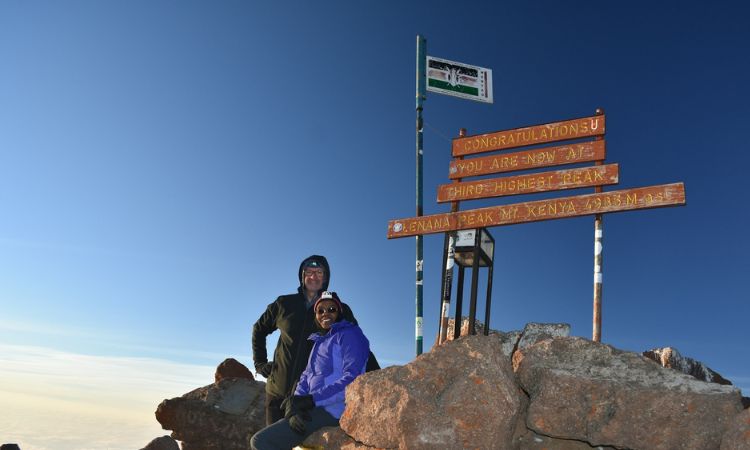
Hiking & Trekking Experience
Mount Kenya hiking suits a range of abilities. Point Lenana is achievable for fit beginners with proper acclimatization, while Batian and Nelion require experienced mountaineers.
Daily hikes involve 4–8 hours of walking through changing zones: tropical forest, bamboo, heath, moorland, and alpine rock.
Altitude challenges are real—rapid gains can cause sickness. Most programs build in rest days. Success rates improve with guided treks and hydration. It’s shorter and often more rugged than other African peaks, blending physical challenge with stunning variety.
Cost of Climbing Mount Kenya
Mount Kenya climbing cost varies by group size, route, and inclusions. Expect $1,000–$2,000 USD per person for a 5–7 day guided package. This typically covers:
- Park fees (around $52–$65/day for non-residents).
- Guide and porter fees (mandatory for safety and support).
- Meals, camping/huts, and transfers from Nairobi.
Smaller groups or technical climbs to Batian push costs higher (up to $1,500–$2,100+). Budget options exist, but quality operators ensure safety and fair porter treatment. Always confirm what’s included—many packages pair well with Kenya safari tours for added value.
Best Time to Climb Mount Kenya
The best time to climb Mount Kenya is during the dry seasons: January to March and June/July to October. These months bring clearer skies, stable weather, and lower rain risk, improving summit success and views.
January–February offers warmer conditions; July–September provides excellent visibility. Avoid heavy rains in April–May and November.
Wildlife & Vegetation
Mount Kenya boasts remarkable biodiversity across its zones. Lower slopes host elephants, buffaloes, monkeys, and antelopes. Higher up, you may spot hyrax and birds like the scarlet-tufted malachite sunbird.
Unique afro-alpine plants include giant lobelias and senecios—otherworldly flora adapted to extreme conditions. The park protects endangered species and serves as a vital water tower for central Kenya.
Accommodation Options
Options range from basic campsites to comfortable mountain huts (e.g., Old Moses, Shipton’s, Austrian Hut). Many treks use tented camping with porters setting up each night.
Nearby lodges in Nanyuki or Chogoria offer luxury before/after your climb, with hot showers and meals. Eco-lodges in the foothills blend comfort with conservation.
What to Pack for Mount Kenya
A solid Mount Kenya packing list is essential:
- Sturdy hiking boots with good ankle support.
- Layered clothing: moisture-wicking base layers, fleece mid-layers, waterproof jacket and pants.
- Warm hat, gloves, and sleeping bag rated for sub-zero temperatures.
- Headlamp, trekking poles, sunscreen, hat, and sunglasses.
- Water purification, snacks, and personal medications (including altitude sickness remedies like Diamox—consult a doctor).
- Daypack and duffel for porters.
Dress in layers—the temperature swings from warm lowlands to freezing nights at altitude.
Safety Tips
Prioritize safety on any Mount Kenya trekking adventure. Acclimatize properly to combat altitude sickness—listen to your body and descend if needed. Hire certified guides and porters; they know the routes and weather patterns.
Watch for sudden storms, hypothermia, or slippery sections. Carry a first-aid kit and travel insurance covering high-altitude evacuation. Respect park rules and leave no trace.
Mount Kenya vs Kilimanjaro: Which Is Better?
Many ask: Is MT Kenya harder than Kilimanjaro?
- Height: Kilimanjaro (5,895 m) is taller; Mount Kenya’s trekking summit (Point Lenana, 4,985 m) is lower.
- Duration: Kenya 4–6 days vs. Kili 6–8+ days.
- Difficulty: Kenya feels more rugged with steeper terrain and technical options (Batian requires climbing skills). Kili is a longer walk but non-technical to Uhuru Peak. Altitude sickness risk can be higher on Kili due to faster gains.
- Crowds & Cost: Kenya has far fewer people and lower daily park fees, making it more intimate and often cheaper overall.
- Scenery: Kenya offers dramatic peaks, lakes, and glaciers in a compact area; Kili provides vast moorlands and a classic “roof of Africa” feel.
Mount Kenya vs Mount Kilimanjaro comes down to preference: Choose Kenya for adventure and variety in less time; Kili for the iconic highest summit. Both pair beautifully with East African travel.
FAQs about Mount Kenya
How long does it take to climb Mount Kenya?
Typically 4–6 days for Point Lenana, depending on route and acclimatization.
Is Mount Kenya harder than Kilimanjaro?
Terrain-wise, yes for ruggedness; but Kili’s greater height and length make altitude management tougher for some.
Do you need a guide for Mount Kenya?
Yes—guides are mandatory in the park, and they enhance safety and success.
Can beginners climb Mount Kenya?
Yes, with good fitness, preparation, and a guided trek to Point Lenana.
Mt Kenya is in which county?
It spans Kirinyaga, Meru, Embu, Tharaka Nithi, and Nyeri counties.
Ready for Your Adventure?
Mount Kenya delivers raw beauty, cultural significance, and a sense of achievement few peaks match. Combine your Mount Kenya hiking with Kenya safari tours or East Africa travel guides for the ultimate trip—think savanna wildlife followed by alpine glory.
Book your Mount Kenya hiking adventure today. Whether it’s your first high-altitude trek or a stepping stone to bigger challenges, the “Place of Light” awaits. Contact us to customize your 2026 itinerary—spots fill quickly during peak dry seasons!