Tarangire National Park; Complete Travel Guide + Best Photos:
Discover the facts about Tarangire National Park Tanzania, why it’s famous, its attractions, animals & accommodation, etc. Tarangire National Park is a home to one of the greatest and largest herds of wildlife in Tanzania.
With the Giant baobabs, fever tree forests, shimmering swamps and sweeping winds, Tarangire wildlife roams in sight. In this area, travel, wildlife and people exist side by side.
Initially known as Tarangire wildlife reserve, Tarangire National Park received its name from Tarangire River that runs through the northern side of the Park. This reserve was established in the 1970s known as hunting and pastoral grounds then.
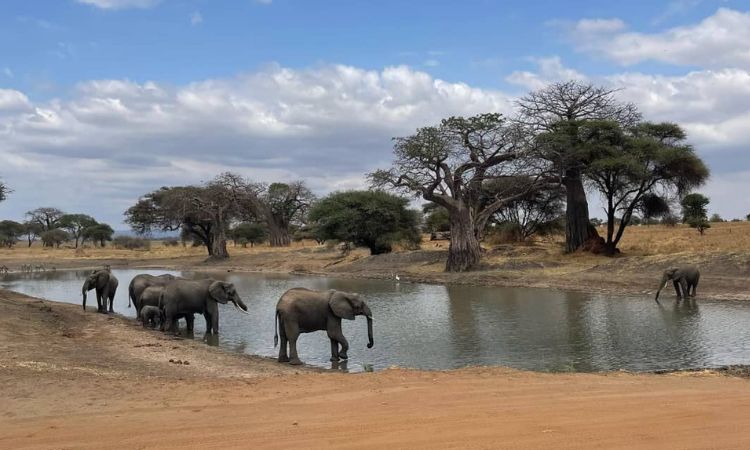
![]()
Tarangire National Park Geography;
Located on northern Tanzania Tarangire’s landscape is made of granite ridges, river valleys, and swamps. Its vegetation is a mix of woodlands, seasonally flooded grassland, and baobab trees.
Landscapes are mainly covered by Commiphora bushlands, open grasslands, and acacia woodlands. The key habitat for several different savannah mammal species and birding destination for many bird species because of the stubby branches of the savannas branches.
The landscapes are all over covered with wildlife in about 20000 square kilometers that loiter to river Tarangire for a drink with over 500 bird species drawn by the swamps
History of the Park;
Taking us back in the 1950s, Tarangire National Park was a hunter’s and pastoral land for cattle keepers and game hunters, in the 1957 the vast land was named a National animal Park because of the multitudes of various breeds and species of animal that had turned this part of Tarangire into a refuge and source of food and water.
There is an interesting tale among the natives about the baobab trees, it is believed that the trees were once part of heaven and were thrown and planted upside down on earth because they displeased God. It is heard of that these trees can live up to hundreds of years and it is one of the many reasons visitors come to visit the Tarangire National Park.
The Location Tarangire National Park;
It is located in the northern part of Tanzania covering 2850square kilometers, south of Lake Manyara National Park, in the between of the Maasai steepe meadows to the south-east.
Angled in northern part of the Tarangire National Park is River Tarangire labelled as the park’s life line and wildlife water source.
Tarangire National Park Map:
Top Attractions in Tarangire National Park:
Elephants
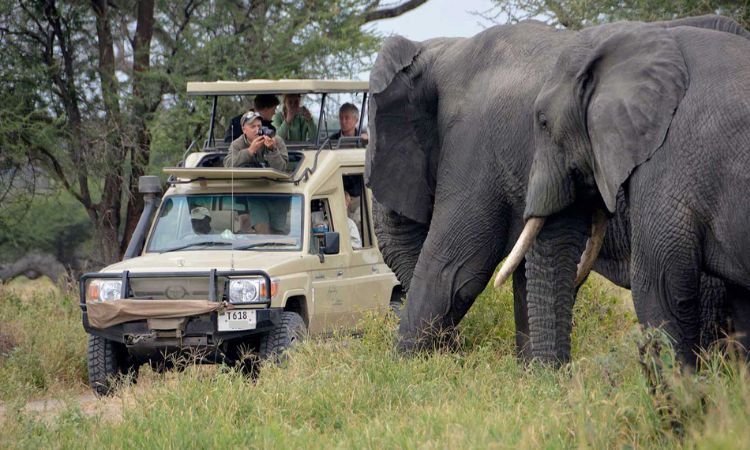
Tarangire National Park is known and famous for being a prime home to elephants with herds of up to 300 elephants. While in the park prepare your binoculars to watch a number of elephants feed and move along in the park.
Baggy, wrinkled skins and sparse hairs with heavy trunks as their mode of communication are the famous treasures of the Tarangire National Park, the elephants. they are 3meters tall and weigh up to 20,000 pounds.
These mammals consume about 70 gallons of water and 130000 calories a day. Elephants eat roots, grass, leaves and fruits and these mammals can jump, walk and swim.
Among the few intelligent animals, elephants are intelligent, they can scrub themselves with tools, they often use sticks or logs to rub their bodies.
They also have quite a strong memory as proved by their ability to move from one place to another distant place to graze but will always find their way to the water sources nearby.
![]()
Unfortunately for the elephants, they are hastily hunted for their tusks. Tusks are the big giant teeth. These teeth are really strong and shiny and are always polished into ivory. Such activities have caused a decline in the number of elephants.
Wildlife
The Tarangire National Park is a home to various wildlife breeds and species. They are extensive and vary with a population of over 20,000 animals most of them being predators.
In the park expect to encounter various animals large in numbers like impalas, elands, buffaloes, giraffes, reedbuck, Coke’s hartebeest, Thompson’s gazelle, the greater and lesser kudu and on rare occasions, the unusual gerenuk and zebras.
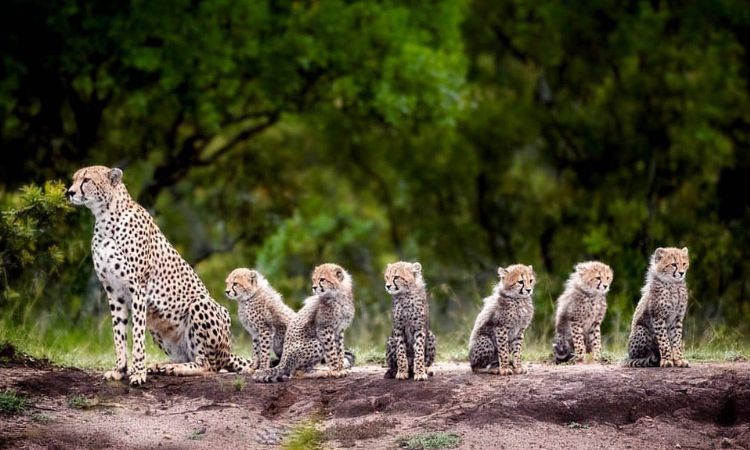
Among the other common animals in the Tarangire are the leopards, lions, hyenas, and cheetah that seem within the southern open areas.
![]()
With such a population of wildlife, there are always massive migration movements of animals especially during the dry season around July to November. During the move, they always converge at the river Tarangire for water all through the dry season.
Baobab Trees
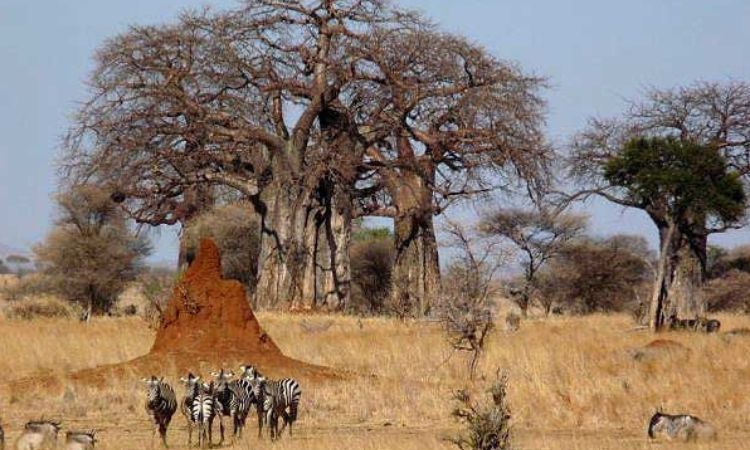
The majestic Baobab trees stand as iconic landmarks within Tarangire National Park, drawing tourists during safaris for activities like game drives. These remarkable trees hold immense importance, serving as crucial elements for both wildlife and locals.
Elephants, for instance, utilize Baobab trees for sharpening their tusks and as a vital food source. Meanwhile, these trees offer shelter to diverse wildlife in the park and act as a medicinal resource for the surrounding communities.
During the parched dry season, these scattered Baobab trees become essential watering holes for the park’s elephants, sustaining life in the arid landscape.
Their significance extends beyond the wildlife sanctuary; these Baobab trees serve as more than just a tourist attraction. They provide vital resources to the nearby pastoralist communities, offering shelter and medicinal benefits.
![]()
Additionally, during the harsh dry spells, these trees act as a lifeline, providing much-needed water to the elephants and other wildlife, ensuring their survival amidst challenging conditions.
The Wildlife Migration
The Tarangire National Park is known to have a lot of wildlife movements on the overpopulated sides of the park and we recommend you visit the park in this period during the dry season, usually from June to October.
The park is always filled with different animal species, ostriches, warthogs, impalas, lions, leopards, cheetahs and many other animals. Elephants stand out among these, reaching their highest concentration in Tarangire. You can see between 500 and 1000 elephants every day: a spectacle beautiful to sight.
The migration is also reversed during the wet seasons flooded with the heavy and light rains, which cause most animal species to drift away, moving towards Ngorongoro Crater and Lake Natron where the pastures are now grown again and accompanied by heavy water supply.
Visiting the park in this season is beautiful, because all landscapes are filled with animal herds and species moving around together, sometimes with their young one’s feeding.
Birds:
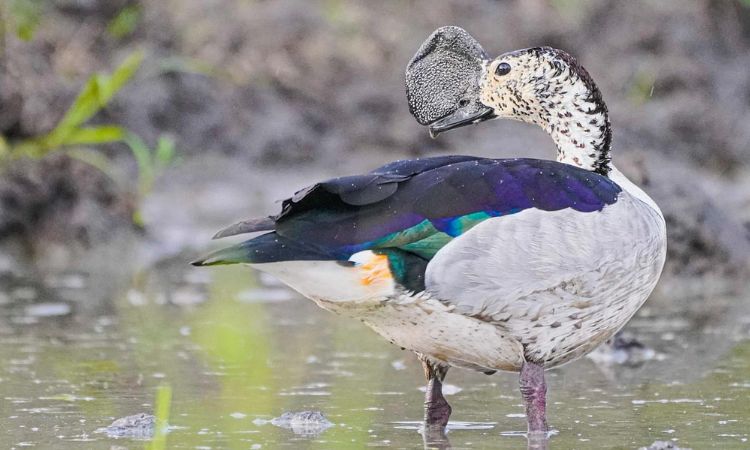
For this one we suggest you carry your sunglasses, binoculars, and a good camera. Tarangire Park is not just a home to animals but also a home to birds, we’ve seen over 600 species of birds here and all of them different in nature and names.
![]()
We discovered that all these bird species are found in different locations in the park, some like the yellow necked spurfowl, bee eaters, starlings, eagles, hornbills, weavers, Kori bastards and a lot more settle in the swamps, in the savannas while the rest are in the woodlands
This bird paradise is quite and experience for even the dwellers, to be part of this experience on your next visit to the Tarangire bird park prepare a fee of 60USD per person for the non residents, And there also accommodations facilities in the park during their tour.
Culture and Local Communities
Cultural tours within Tarangire National Park unveils an intimate odyssey into the Maasai village life. Beyond the wildlife marvels, these excursions offer an immersive connection with the Maasai people, delving deep into their traditions, culture, and daily routines. Picture stepping into their world, welcomed warmly, invited to engage and learn firsthand.
These tours aren’t passive observations but active participations in Maasai life. Visit their homes, absorb tales of heritage, and explore their customs, from food traditions to taboos. Dive into the artistry behind crafts like basket weaving and beadwork, crafting your own pieces and becoming part of their cultural tapestry.
Engage in the spirited rhythms of Maasai jump dances, invited to join and experience the vitality and symbolism behind each movement. It’s a two-way cultural exchange, a celebration of diversity that fosters connections transcending borders, leaving an indelible mark on your journey and understanding of humanity’s rich tapestry.
Tree-Climbing Lions
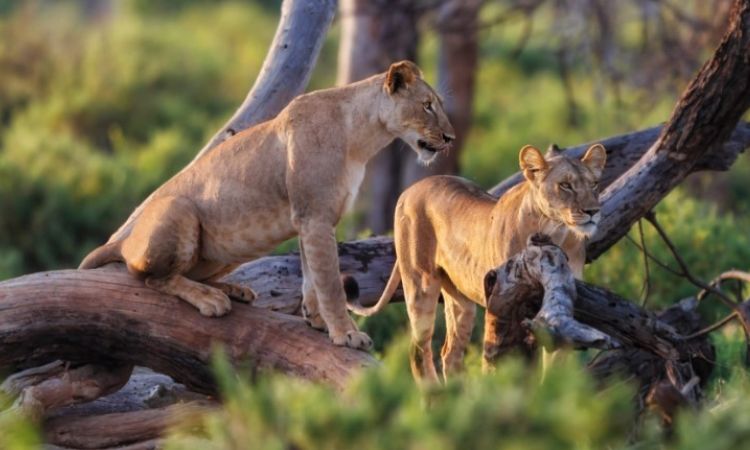
Amidst the captivating array of attractions within Tarangire National Park, the tree-climbing lions stand out as a unique and mesmerizing sight.
![]()
Unlike their typical land-dwelling counterparts, these lions exhibit an extraordinary behavior by skillfully maneuvering atop acacia tree branches within the park.
The spectacle of tree-climbing lions isn’t exclusive to Tarangire; they’re also spotted in Lake Manyara National Park and the Ishasha Sector of Queen Elizabeth National Park in Uganda.
So, while engaging in diverse activities across Tarangire National Park, remember to occasionally cast your gaze upward, offering the chance to witness these remarkable tree-climbing lions.
Throughout the year, travelers exploring Tarangire National Park can encounter its resident lions amidst various activities. Engaging in game drives or embarking on nocturnal adventures through night game drives offers glimpses of these majestic creatures.
For those seeking to capture the elusive sight of tree-climbing lions through filming, a special permit, available at an additional cost, unlocks this unique opportunity within the park’s boundaries.
The Poacher’s Hide
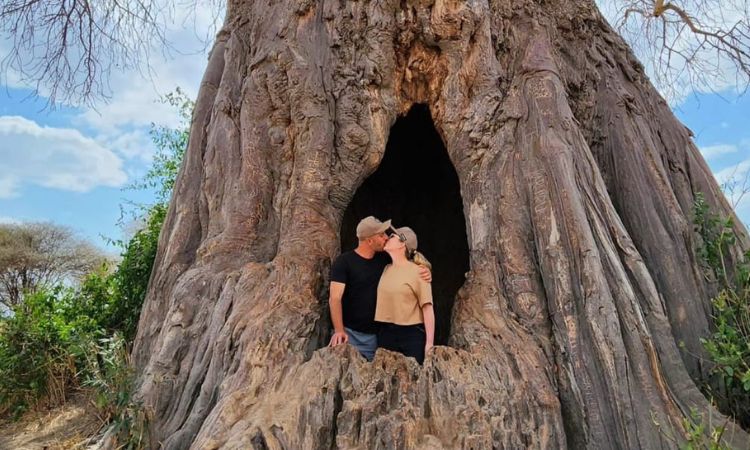
A few meters away from the south north path track as you stroll through the park, southwest of the Tarangire’s National Park is an amazing sight of an old baobab tree used as a hideout by wildlife poachers.
![]()
This tree and hideout has a hole at the bottom of the trunk where poachers used to hide, they would crawl on the ground into the tree, before closing the entrance with bark to keep animals unsuspecting. The baobab keeps the poachers and tourist’s unseen to the animals and rangers.
To have the expedite experience we talk about, its best to visit this sight during the dry season because it offers you a lot of time to watch the multitudes of animals in close range as they roam, not forgetting the assistance of wildlife tour guide.
Kolo Rock Site
Known as the heritage for the ancient artifacts and displays of rocks that were left behind by the olden days is the Kolo Rock site.
Gatherers and hunters who inhabited this area left behind paintings of different structures and artifacts crafted out of rocks
The Kolo Rock site is located on the outskirts of the Tarangire National Park and can easily be seen and accessed by both the pass byers and tourists.
There are really many tourist attractions in Tarangire National Park Tanzania that are unfathomable.
Top Tourist Activities and Experiences of Tarangire:
Tarangire travelers and tourists are always overwhelmed by the many and different activities and experience enjoyed in the park like
Game Drives:
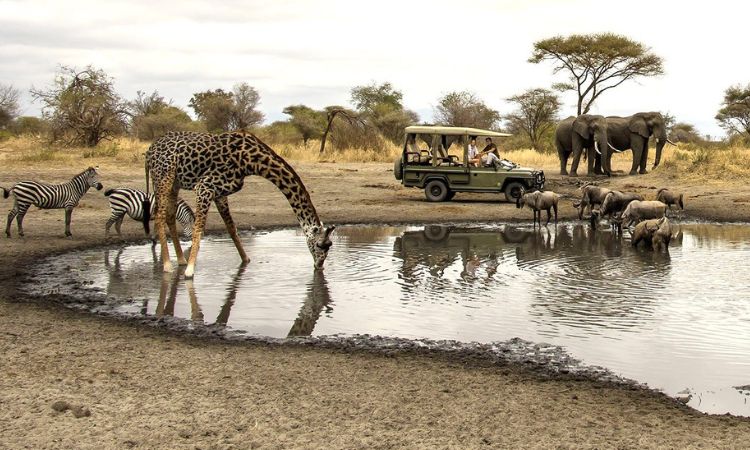
They are the mostly engaged in activities by tourists as they tour through the park, this activity happens at different times of the day and in the different parts of the park where different animal species.
![]()
Walking Safaris:
Accompanied by game rangers or tour guides, tourists get to experience a close up with nature and wildlife through the savannas
Cultural Visits:
Visiting communities and homesteads, being part of the new cultures is a tourist sport for visitors. This activity includes meeting with the locals and their ways of life and being part of their day to day activities.
Bird Watching:
With the wide range of bird species that fly and roam in the different parts of the Tarangire national park, tourists are get the chance to enjoy great moments of sight seeing as they go on with their activities during their visits and stay. Birds like parrots, eagles, giant lapped faced vultures, northern pied babbler, ostriches, African Grey fly catchers, pink breasted lark and many others
Tarangire National Park Fees:
How much is the Entrance fee?
Tarangire national park Tanzania isn’t an expensive park. It is considered amongst the moderately priced in northern Tanzania costing you only 70 USD per 24 hours to visit it.
This is the price for adult non-residents, incl. taxes. Don’t forget to include VAT on the total sum this money. This payment guarantees you 24hours entry only and your exit hours are marked at the gates.
Conservation Fees Tarangire per Person per Day: | |||
East African Citizens (Tshs) | Expatriate/ East African Foreign Residents(US $) | Non East African Citizen (US $) | |
Adults: | 10,000 | $ 35 | $ 70 |
Children: (Between the age of 5 and 15 years) | 2,000 | $ 10 | $ 20 |
Children below 5 years: | Free | Free | Free |
Best Time to Visit Tarangire National Park:
Being the best place for a tour or get away adventure, the Tarangire National Park is an open place to visit all year round.
The best time to visit the park, we recommend July to November as the best time to visit, because it’s the dry season during the months and there are always multitudes of animals in roam and sights
There are always other days and seasons where you can visit the park like January to April that is considered the green vegetation season because it comes with a beautiful natural scenery and also different species of birds are seen nesting in the park.
November and December are the start of Tarangire National Park’s green season. The landscape receives its first drops of rain in these months, bringing the park to life.
As stated above all year round, the park is beautiful to watch and be a part of.
Top Accommodations in Tarangire
Camps and Lodges in Tarangire National Park;
Tarangire Treetops
This is the common accommodation facility in Tarangire National Park and it is located within a private reserve that borders the park maasai steppe. This facility offers some of the largest safari rooms and views of Lake Manyara, and a sight of Mountain Kilimanjaro.
With about 20 private tree houses and its facilities including a double showers with both hot and cold water, a stocked bar and a clean swimming pool. Some of the activities you are to enjoy from here include maasai culture Village tours, nature walks and night game drives.
Sanctuary Swala Camp
The Sanctuary Swala Camp was established under the shades of huge acacia trees and has beautiful views of and over the open Savannah land. It is located within one of the most secluded areas of this Tarangire National Park.
It is lavished with canvas tented rooms fitted with king size beds, cozy sofa and bathrooms. There is unlimited Wi-Fi in each room, a fully stocked bar to enjoy cocktails, there is a swimming pool, a campfire as well as a spacious deck where guests can enjoy views of different wildlife from the comfort of their rooms.
![]()
Maweninga Camp
Located on top of a high granite rock overlooking Lake Manyara and Lake Burunge. One can be sure to have splendid views of mountain kilimanjaro during their stay and each of the tents are constructed on a raised wooden terrace for clear views.
Sangaiwe Tented Lodge
Located close to Lake Burunge. It has a 13 tent entrance elevated wooden platform each with a specialist deck with breathtaking views and sundowners that are fitted with big comfortable beds, writing desks and chairs as well as in suit bathroom
Tarangire Sopa Lodge
The sopa lodge is a leisure accommodation place with over 75 rooms and services like Wi-Fi, a swimming pool and the fine restaurant hub. it is the among the few best accommodation facilities found within the National Park and it is highly recommended for holidaymaker’s travelers.
Maramboi Tented Camp
The Camp has 38 rooms and is part of the famous Tanganyika wilderness like some areas around Serengeti. The rooms are built on a private terrace, bathroom amenities and additional amenities like a campfire and a swimming pool.
Some of the activities one can enjoy here include game drives in both Tarangire national Park and sights of Lake Manyara.
There are quite a number of accommodation facilities in and around the Tarangire National Park, all these are of different structures, statutes and budgets according to one’s liking.
How To Get To Tarangire National Park?
There are two major ways you can get to Tarangire National Park either by air transport or road transport.
By Air
To get to Tarangire National park via flight is approximately 29miles from Arusha flying through Kilimanjaro international Airport, or flying through Julius Nyerere International Airport near Dar es Salaam.
You can also simply fly into Dar-es-Salaam through Kenya-Nairobi and continue the journey with buses from Nairobi to Arusha then to the park
Upon your arrival, your tour guide or escort is in position to help you continue to your destination via any other means.
If you are planning this tour, booking a flight is a process you ought to prepare yourself for. There are numerous organizations that have reliable aviation information and offer travel by flight assistance
Some of the domestic airlines you can consider are Air Tanzania, coastal aviation, safari Air link and regional Air.
By Road
The trip from Arusha to Tarangire National park is about a three hours drive and if with no detours, is shorter. To reach the park by bus or safari, non residents can book themselves a shuttle or private car at an affordable fee.
There are a few shuttle and private car services available provided by hotels the guests booked or some that are privately owned by locals.
The distance from Arusha city to Tarangire National park may vary depending on the traffic on the road and car being driven.
There are road safety precautions and measures put in place that you should be abide by. This helps the Tanzanian government to cab on the crime rates and avoid any accidents along the way.
The legal license restrictions set by the government are mainly important to help do away with the rampant guest endangering accidents some of which include; ensuring that your hired tour operator or driver has legally processed documents like a verified driving permit and identity card that permit him to offer such services.
Safety and Travel Tips:
We understand how serious this trip is for your and your family and we wouldn’t want anything to go wrong on this journey, so we put together a list of safety suggestions for you who has your bags packed to travel.
Health and Safety First;
While on the strolls and get aways, remember to carry your required medications or first aid kits to treat small scratches and poisons that may come in contact and the small guides like maps, sunglasses or hats. All these are light weights and very helpful in emergencies
Stay on the marked out path;
Diverting from a marked path is dangerous for everyone with you in the park, especially if you come in contact with an animal unsupervised and untrained therefore we advise to stay on the set paths.
Be cautious and avoid taking risks;
Make use of your tour guide by asking for the appropriate time to do certain activities like taking pictures or engaging with the animals because such small acts are potential harm if not well mastered or timed. Be cautious
Communicate;
In the park, while there is a number of you, it’s often possible that each one is taken up in a moment and isn’t mindful of the other therefore communicating before you move to a new spot or going on a hike is very important.
Don’t feed the wildlife;
Keep your distance from the wildlife and avoid close contact with them, feeding animals as you tour around is a danger to you and others, you risk catching wild diseases and getting attacked by these animals, so we advise against coming in any form of contact with animals
Know your way around;
New places come with new directions, while you may have a tour guide, it is safe for you to know your path trails around your accommodation facility and exist path. This means having your compass and maps in a safe place just incase you need them.
Keep the children home;
While Tarangire is a a hospitality establishment, there are parts of it that prove harmful to the little therefore we recommend certain activities like hiking and wildlife walks not suitable for them and advise they stay at the hotels or accommodations.
Carry your water;
Hydrating your body while you stroll through the dry season of Tarangire is highly advised to all our guests. Carry one or two extra bottles of water for the heat and when we are far away from any water source
What are some of the interesting facts about Tarangire National Park?
Tree climbing lions are common in the park. The park has the largest and biggest number if bird species in the world. They have the largest elephants called African elephants in the park.
Does Tarangire have safari drives in the park?
Yes, we understand the need for our guests to have personal experience in the park so we added the individual-drive safaris on all our packages, that way our guests enjoy their stay and tour with only one driver.
What is the Entrance fee to Tarangire National Park?
Children below the age of 5 are free to enter the park with no payment, children between 5-15 are required to pay 20USD while those 16 and above pay a fee of 70USD for entry. Both master cards and credit cards are accepted as modes of payments at the entrance.
What is the best time to visit the park?
The best time to visit the park, we recommend July to November as the best time to visit, because this is the time animals are out in the park, some looking for water sources while others roaming around.
Are there accommodation facilities in the Park?
Yes, there are multitudes of accommodation facilities within the park, outside the park and far off away from the park. All these facilities are conducive for human stay and vary according to one’s budget.
Are there 1-day tour programs in Tarangire national park?
Yes, the park has a 24hour program for 1day guests who may come for a little strolling, after your payments, a tour guide is assigned to you who recommends the places to visit and if permitted escorts you to all these places and at the end of the day, one’s exit is checked.
Apart from the usual tourism sites, what other sights can one enjoy in Tarangire?
The park also offers game night drives for those guests who book their accommodation inside the park vicinities, and one also gets to spend more quality time with the animals and watch them even in the night.
Best Tanzania Safaris;
Top 5 Tanzania Tour Packages to Tarangire National Park: